

Rubber Antioxidant
An antioxidant is a molecule that inhibits the oxidation of other molecules. Oxidation is a chemical reaction that can produce free radicals, leading to chain reactions that may damage cells. Antioxidants terminate these chain reactions by removing free radical intermediates and inhibit other oxidation reactions. They are found naturally in many foods, including fruits and vegetables, and can also be taken as supplements.
Benefits of Antioxidant
Reduce oxidative stress
Antioxidants such as Vitamin C and E help to reduce the amount of oxidative stress in the body caused by free radicals. Free radicals are unstable molecules that can damage cells, and lead to chronic diseases such as cancer, heart disease, and Alzheimer's disease.
Promotes healthy skin
Antioxidants such as vitamin C, vitamin E, and coenzyme Q10 have been shown to protect the skin from damage caused by sunlight and other environmental factors. This can promote healthy, youthful-looking skin.
Boosts immunity
Antioxidants can help strengthen the immune system by helping to neutralize harmful free radicals. This can contribute to overall good health and reduce the risk of infections.
Support eye health
Including more antioxidant-rich foods in your diet can have a particularly effective impact on reducing the risk of some major eye problems, particularly age-related macular degeneration and cataracts. Beta-carotene and vitamin E are also known for these properties.
Helps brain function
One of the main ways to protect your brain from this attack is to consume antioxidants. Specifically, antioxidants have the potential to delay various forms of cognitive decline, such as memory loss. This is also linked to oxidative stress, which can contribute to Alzheimer's disease and other forms of memory loss and cognitive decline.
Reduce inflammation
Inflammation can present with a variety of symptoms, including headaches, joint and muscle pain. The way antioxidants prevent inflammation is relatively simple. Because they protect cells from damage, they can completely prevent those unwanted inflammatory responses from occurring.
-
 Antioxidant TMQ 26780-96-1ANTIOXIDANT RD(TMQ). Cas No.: 26780-96-1. Chemical Name: poly(1,2-dihydro-2,2,4-trimethylquinoline). Einecs No.: 500-051-3. RD(TMQ) is general amine antioxidant and has good antioxidant property. ItAdd to Inquiry
 -
 Nickel Dibutyldithiocarbamate 13927-77-0Nickel dibutyldithiocarbamate . Cas No.: 13927-77-0. Name: Antioxidant NDBC(NBC). Einecs No.: 237-696-2. Nickel dibutyldithiocarbamate is soluble in chloroform, benzene and carbon disulfide, slightlyAdd to Inquiry
 -
 4,4'-dioctyldiphenylamine 101-67-74,4'-dioctyldiphenylamine . Cas No.: 101-67-7. Name: Antioxidant ODA. Einecs No.: 202-965-5. Mainly used in manufacturing tyres, inner tubes, cables, rubber floor and sponge products. StableAdd to Inquiry
 -
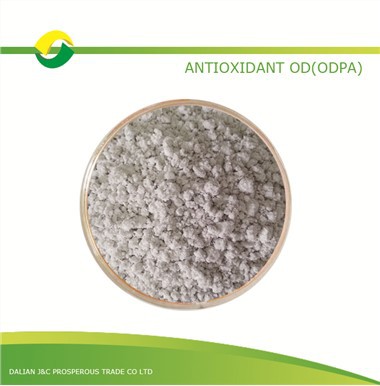 Octylated Diphenylamine 4175-37-5Octylated diphenylamine . Cas No.: 4175-37-5. Name: Antioxidant OD(ODPA). Einecs No.: 224-040-5. Octylated diphenylamine has obvious thermal brittleness resistance in CR, and can increase itsAdd to Inquiry
 -
 N-(p-toluene-sulphonylamido-N'-phenylene Diamine) 100-93-6N-(p-toluene-sulphonylamido-N'-phenylene diamine) . Cas No.: 100-93-6. Name: Antioxidant TPPD. Einecs No.: 202-902-1. N-(p-toluene-sulphonylamido-N'-phenylene diamine), Antioxidant TPPD, because itAdd to Inquiry
 -
 2-Mercaptobenzimidazole 583-39-12-Mercaptobenzimidazole . Cas No.: 583-39-1. Name: Antioxidant MB. Einecs No.: 209-502-6. 2-Mercaptobenzimidazole can resist harmful Copper and adverse effects caused by over curing. It delaysAdd to Inquiry
 -
 N-(2-Naphthyl)aniline 135-88-6N-(2-Naphthyl)aniline. Cas No.: 135-88-6. Name: Antioxidant PBN( D). Einecs No.: 205-223-9. Antioxidant PBN is applicable for NR, CR, chloroprene latex and diene rubber, and as general antioxidantAdd to Inquiry
 -
 Styrenated Phenols 61788-44-1Styrenated phenol. Cas No.: 61788-44-1. Name: Antioxidant SP. Einecs No.: 262-975-0. It has the line anti-aged function in the rubber and the emulsion product, can enhance the product theAdd to Inquiry
 -
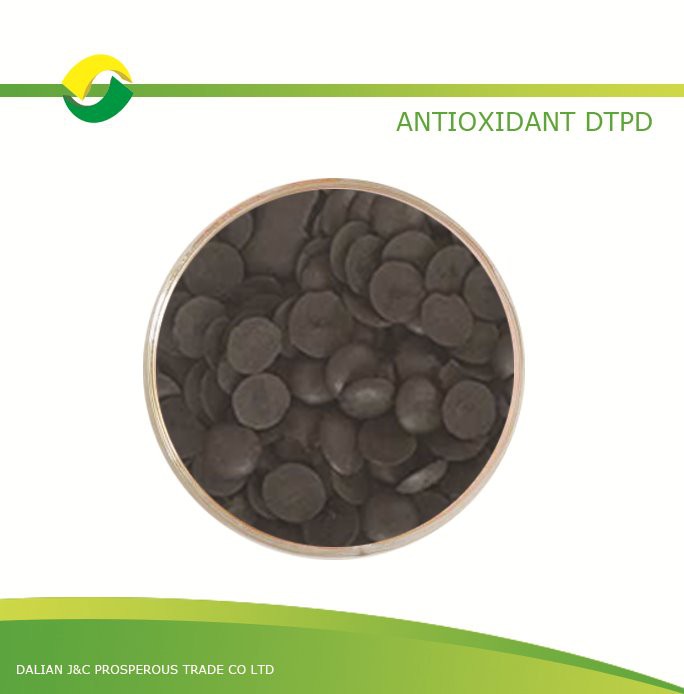
 1,4-Benzenediamine N,N'-mixed Phenyl And Tolyl Derivs 274...1,4-Benzenediamine N,N'-mixed phenyl and tolyl derivs. Cas No.: 27417-40-9. Chemical Name: Antioxiant DTPD(3100). Einecs No.: 273-227-8. It has good ozone resistance, flexure resistance and crackAdd to Inquiry
 -
 N-isopropyl-N'-phenyl-p-phenylene Diamine 101-72-4N-isopropyl-N'-phenyl-p-phenylene diamine . Cas No.: 101-72-4. Name: Antioxidant IPPD(4010NA). Einecs No.: 202-969-7. N-isopropyl-N'-phenyl-p-phenylene diamine is Mainly used for natural andAdd to Inquiry
 -
 N(1,3-dimethyl-butyl)-N’-phenyl-p-phenylenediamine 793-24-8N(1,3-dimethyl-butyl)-N’-phenyl-p-phenylenediamine . Cas No.: 793-24-8. Name: Antioxidant 6PPD(4020). Einecs No.: 212-344-0. 4020 is An antioxidant used for rubber products with high efficiency, lowAdd to Inquiry
 -
 2,2,4-Trimethyl-1,2-Dihydroquinoline Polymer 26780-96-12,2,4-Trimethyl-1,2-Dihydroquinoline polymer. Cas No.: 26780-96-1. Chemical Name: ANTIOXIDANT RD(TMQ). Einecs No.: 500-051-3. RD(TMQ) is general amine antioxidant and has good antioxidant property.Add to Inquiry


- Tel: +86-13898628806
- Mob: +86-13342288158
- Email: Kathy@dljcsr.com, chelsea@dljcsr.com
- Add: Room 706 Yinzhou International Plaza, 11 Qiyi Street, Dalian, 116001, China
Why Choose Us
Professional team
Our professional team collaborate and communicate effectively with one another, and are committed to delivering high-quality results. They are capable of handling complex challenges and projects that require their specialized expertise and experience.
Rich experience
Our experienced staff are dedicated to strict quality control and thoughtful customer service, and are always available to discuss your requirements and ensure complete customer satisfaction.
Quality control
We have professional personnel to monitor the production process, inspect the products and ensure that the final product meets the required quality level standards, guidelines and specifications.
24/7 online service
Our terms of work have always been fixed within the work process and one can be assured about the guarantee of the work as we are there 24/7 business hours during the time your project is being worked is on.

What Are Foods Rich in Antioxidants
Broccoli, spinach, carrots and potatoes are all high in antioxidants, as are artichokes, cabbage, asparagus, avocado, beetroot, radish, lettuce, sweet potatoes, squash, squash, kale and collard greens.
What is The Recommended Daily Intake of Antioxidants?
There is no specific recommended daily intake for antioxidants as different antioxidants have different suggested intake levels. It is recommended to consume a variety of antioxidant-rich foods, such as fruits, vegetables, nuts, and whole grains, to ensure an adequate daily intake of antioxidants. The general recommendation is to consume at least five servings of fruits and vegetables per day.


Comparison of Synthetic Antioxidants And Natural Antioxidants
The most common synthetic antioxidants are BHA, BHT, TBHQ, ascorbic acid and gallate. Synthetic antioxidants are cheap, stable, effective, and have undergone extensive toxicology testing. Synthetic antioxidants are not biodegradable and may cause environmental problems. New regulations regarding the application of synthetic antioxidants limit their use. Natural antioxidants are considered safer and healthier than synthetic sources. A large number of natural antioxidants (more than 980 species) have been identified as alternatives to synthetic antioxidants. Most natural compounds are phenolic compounds. Antioxidants with a phenolic group are the most widely used antioxidants. Natural antioxidants can be produced from vegetables, fruits, spices, herbs, nuts, oil seeds, grains, legumes, animal and microbial sources.
How Do Antioxidants Fight Free Radicals?
Antioxidants work by neutralizing free radicals, which are molecules that can cause damage to cells and tissues. Free radicals have an unpaired electron, which makes them unstable and highly reactive. Antioxidants donate electrons to free radicals, thus stabilizing them and preventing them from causing damage. Antioxidants can be found in various foods such as fruits, vegetables, and nuts. They can also be taken as supplements. By consuming a diet rich in antioxidants, the body can have a better chance of fighting against free radicals and the damages that they cause.

Synergistic Interactions Between Antioxidants Used in Food Preservation
Antioxidants used in food products, either natural or synthetic, can interact among themselves and result in synergistic, additive, and antagonistic interactions. Naturally occurring antioxidants, including antioxidant vitamins (e.g., vitamin C and vitamin E) and phytochemical antioxidants (e.g., polyphenols and carotenoids), when combined, can result in synergistic interactions, thus favor application in food systems. Advantages of using natural antioxidants, particularly combinations with synergistic outcomes, should be taken seriously; systematic investigations into the multifaceted interactions among natural and synthetic antioxidants, and with different food matrices, must be pursued.
Types of Dietary Antioxidants
Antioxidants can be classified as water-soluble or fat-soluble. Water-soluble antioxidants work in fluids inside and outside cells, while fat-soluble antioxidants work primarily in cell membranes. Important dietary antioxidants include: Vitamin C. This water-soluble antioxidant is an essential dietary nutrient. Vitamin E. This fat-soluble antioxidant plays a key role in protecting cell membranes from oxidative damage.
When To Take Antioxidant Supplements
If antioxidants are consumed with meals, vitamins should be taken before meals for optimal protection. The beneficial properties of antioxidant vitamins take several hours to take effect, so take them as early as possible.
When Do You Need Antioxidant Supplements?
If you are deficient in nutrients
If you have been diagnosed with an antioxidant deficiency by a health professional, you may need to take supplements.
If you have a chronic disease
Chronic diseases such as arthritis, diabetes, and heart disease can increase oxidative stress in the body, which can lead to cell damage. Supplementing with antioxidants may help reduce inflammation and improve overall health.
If you engage in strenuous physical activity
Strenuous physical activity increases the production of free radicals, which can damage cells. Supplementing with antioxidants may help offset this damage and speed recovery.
Commonly Used Antioxidant Materials
Vitamin C
Vitamin C, found in citrus fruits, kiwi, mango, papaya, pineapple, strawberry and tomatoes, helps protect cells from damage caused by free radicals.
Vitamin E
Found in nuts, seeds, and vegetable oils, vitamin E is a potent antioxidant that helps protect the body from oxidative stress.
Beta-carotene
Found in carrots, sweet potatoes, pumpkin, and spinach, beta-carotene is a powerful antioxidant that helps protect the body from oxidative stress.
Selenium
Found in nuts, seafood, and whole grains, selenium is a mineral that acts as an antioxidant and helps protect the body from oxidative stress.
Flavonoids
Found in fruits, vegetables, and tea, flavonoids are natural compounds that act as antioxidants and have been shown to have anti-inflammatory and antiviral properties.
Resveratrol
Resveratrol, found in grapes, red wine and peanuts, is a polyphenol that acts as an antioxidant and has been shown to have anti-inflammatory, anti-cancer and cardiovascular effects.
Coenzyme Q10
Found in organ meats, sardines, and soybeans, Coenzyme Q10 is a potent antioxidant that helps protect the body from oxidative stress and supports cellular energy production.
Application of Antioxidant

Agriculture
Antioxidants are used in crop protection to prevent crop damage caused by environmental stress, such as UV radiation and drought. Some examples of antioxidants used in agriculture include proline, ascorbic acid, and tocopherols.

Food preservation
Antioxidants are added to food products to prevent spoilage and maintain their freshness by inhibiting oxidation. Commonly used antioxidants include ascorbic acid, tocopherols, and butylated hydroxyanisole (BHA).

Cosmetics
Antioxidants are added to skincare and personal care products to protect against oxidative stress caused by pollutants, UV radiation, and other environmental stressors. Examples of antioxidants used in cosmetics include vitamin C, vitamin E, and various plant extracts.

Plastics
Antioxidants are added to plastics to prevent them from deteriorating during processing, storage, and use. Some examples of antioxidants used in plastics include hindered phenols, phosphites, and thioesters.

Skin care
Antioxidants such as vitamin C, vitamin E, and green tea extract are commonly used in skin care products for their ability to protect skin cells from oxidative damage and reduce the signs of aging.

Health supplements
Antioxidants are widely used as dietary supplements to maintain good health and prevent various diseases. Some of the commonly used antioxidants in supplements include vitamins A, C, and E, beta-carotene, and selenium.

The body does not eliminate excess antioxidants because they are not harmful to the body. Antioxidants are essential nutrients that the body needs to protect itself from the harmful effects of free radicals. Any excess antioxidants in the body are stored in the tissues or excreted in the urine. It is important to eat a healthy, balanced diet rich in fruits, vegetables, and whole grains to ensure adequate antioxidant levels in the body to support overall health.
Antioxidants may help improve overall immune function by reducing oxidative stress, which may contribute to the development of certain illnesses. Oxidative stress occurs when there is an imbalance between the production of free radicals and the body's ability to neutralize them. Free radicals are molecules that can damage cells, including immune cells, leading to inflammation and weakened immune function. Antioxidants can neutralize free radicals and reduce oxidative stress, which may support healthy immune function. More research is needed to fully understand the relationship between antioxidants and immune function. It is important to note that a balanced and varied diet, regular exercise, adequate sleep, and stress reduction are also important for maintaining a healthy immune system.
Precautions When Taking Antioxidants

Dosage
Taking too much of any antioxidant supplement may lead to side effects such as headaches, nausea, and diarrhea. Always follow the recommended dosage guidelines or consult a healthcare professional before taking any supplements.

Food interactions
Some antioxidants may interact with certain foods and reduce their effectiveness. For example, taking vitamin C supplements at the same time as iron supplements may reduce the absorption of iron in the body.
Medication interactions
Antioxidants may interact with medications such as chemotherapy drugs and blood thinners, leading to potential health problems. It is important to inform your healthcare provider of any supplements you are taking.

Allergic reactions
Some people may be allergic to certain antioxidants or the ingredients used in supplements. Always read the label carefully and avoid any supplements containing ingredients that you are allergic to.
How To Retain Antioxidants in Food From Being Lost
Use minimal heat
Heat can destroy antioxidants in food, so it's important to minimize the heat exposure. Cook fruits and vegetables lightly and avoid overcooking them.
Avoid prolonged storage
Antioxidants can degrade over time, especially when exposed to sunlight and oxygen. To retain antioxidants in food, it's best to consume them as soon as possible after purchase or harvest.
Don't peel fruits and vegetables
The skin of fruits and vegetables often contains a high concentration of antioxidants, so it's best to leave them intact whenever possible. If you need to peel them, do it as thinly as possible.
Store food properly
Proper storage can help retain antioxidants in food. Keep fruits and vegetables in a cool, dark place to minimize oxidation. Refrigerate cut fruits and vegetables to slow down degradation.
Cook food in healthier oils
Some antioxidants can be destroyed when heated in oils. Avoid using oils that are high in omega-6 fatty acids, such as soybean and corn oil. Instead, use oils that are high in monounsaturated and polyunsaturated fats, such as olive, avocado, and grapeseed oil.
Eat a variety of fruits and vegetables
Different fruits and vegetables contain different types and amounts of antioxidants. Eating a variety of colorful fruits and vegetables will help you get a diverse range of antioxidants in your diet.
FAQ
Q: Antioxidants are not a substitute for a healthy lifestyle
Q: Different antioxidants have different affects
Q: Antioxidant levels in food can vary
Q: The body also produces its own antioxidants
Q: What foods are high in antioxidants?
Q: Is drinking antioxidant good for you?
Q: What is the most powerful antioxidant?
Q: Is coffee high in antioxidants?
Q: Are bananas high in antioxidants?
Q: Which fruit has highest antioxidants?
Q: Do antioxidants detox your body?
Q: What is the best antioxidant to take daily?
Prunes.
Q: Is Lemon an antioxidant?
Q: What herb has the most antioxidants?
Q: How do I get more antioxidants?
Q: How many blueberries should you eat a day for antioxidants?
Q: Can I take antioxidants everyday?
Antioxidants are likely safe when used appropriately. But certain antioxidants are possibly unsafe when used in large doses. Antioxidants like beta-carotene and vitamin E can cause serious side effects when used in large doses.
Q: Can antioxidants reverse damage?
Q: Do antioxidants cleanse your liver?
Q: Are antioxidants good or bad for your liver?
As one of the most professional antioxidant suppliers in China, we're featured by quality products and competitive price. Please rest assured to buy or wholesale antioxidant made in China here from our factory. Also, customized service is available.
sodium borate and boric acid, ANTIOXIDANT IPPD, synthetic precipitated silica