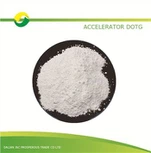
Accelerator MBTS (2,2'-Dibenzothiazole disulfide) is a highly effective and versatile rubber accelerator that helps in improving the properties of rubber compounds such as elasticity, durability, and resistance to heat, aging, and cracking. MBTS is widely used in the production of tires, rubber hoses, and other products that require high-quality, durable rubber materials. It is known for its high level of thermal stability, long shelf life, and low toxicity.
Benefits of Accelerator MBTS 120-78-5
Improved processing
Accelerator MBTS can help with the cross-linking of rubber which improves the processing of the material. This means that the rubber can be worked more easily, which improves productivity and reduces processing costs.
Increased elasticity
Accelerator MBTS can enhance the elasticity of rubber, making it more flexible and durable. This can be especially beneficial in applications where rubber is exposed to repeated stress or impact.
Better resistance to tearing and abrasion
Accelerator MBTS can help to improve the tear resistance and abrasion resistance of rubber. This can be particularly beneficial in applications where rubber is used in harsh industrial environments or is exposed to heavy wear and tear.
Reduced cure time
Accelerator MBTS can accelerate the curing process of rubber, so it takes less time to produce a finished product. This can help to improve manufacturing efficiency and reduce production costs.
Improved performance at high temperatures
Accelerator MBTS can help to improve the performance of rubber at high temperatures. This can be especially useful in applications where rubber is exposed to high heat, such as in automotive and industrial applications.
Enhanced chemical resistance
Accelerator MBTS can help to improve the chemical resistance of rubber, making it more resistant to degradation from exposure to chemicals and environmental factors. This can extend the lifespan of rubber products and reduce maintenance costs.


Why Choose Us
Professional team
Our professional team collaborate and communicate effectively with one another, and are committed to delivering high-quality results. They are capable of handling complex challenges and projects that require their specialized expertise and experience.
Rich experience
Our experienced staff are dedicated to strict quality control and thoughtful customer service, and are always available to discuss your requirements and ensure complete customer satisfaction.
Quality control
We have professional personnel to monitor the production process, inspect the products and ensure that the final product meets the required quality level standards, guidelines and specifications.
24/7 online service
Our terms of work have always been fixed within the work process and one can be assured about the guarantee of the work as we are there 24/7 business hours during the time your project is being worked is on.

What is The Chemical Nature of Accelerator MBTS 120-78-5?
Accelerator MBTS (2,2'-dibenzothiazole disulfide) has the following chemical properties:
● Chemical formula: C14H8N2S4
● Molecular weight: 332.47 g/mol
● Boiling point: Decomposes before boiling
● Melting point: 170-180°C
● Solubility in water: Low (less than 0.1 g/100 mL at 20°C)
● Solubility in organic solvents: Soluble in acetone, chloroform, benzene, carbon disulfide, and other organic solvents
● Density: 1.50 g/cm3 at 20°C
● Flash point: 289°C
● PH of aqueous solution: Acidic (pH 4-6)
Accelerator MBTS is used as a vulcanization accelerator for rubber and other elastomers. It promotes the crosslinking reaction between sulfur and rubber molecules, resulting in improved strength, elasticity, and durability of rubber products.
How Does Accelerator MBTS 120-78-5 Compare To Other Rubber Accelerators in Terms of Performance?
Accelerator MBTS (2,2'-Dibenzothiazole disulfide) is commonly used as a secondary accelerator with other primary accelerators such as TMTD, TETD, and DPG in sulfur-cured elastomers. It is mainly used in the production of industrial products such as cable jackets, conveyor belts, and transmission belts. Compared to other accelerators, it has the advantages of a slower cure rate, good scorch safety, and excellent aging resistance. It also provides good mechanical properties and abrasion resistance to the final products.


How Safe is Accelerator MBTS 120-78-5 Compared To Other Rubber Accelerators?
In terms of security, the accelerator MBTS is considered a relatively safe accelerator. Its toxicity is low, and studies have shown that it has no carcinogenic or mutagenic effects. However, as with all chemicals, they should be handled with care and appropriate precautions should be taken during handling and use. Accelerator MBTS is more effective at lower temperatures and has longer cure times than other rubber accelerators. It is also less likely to cause scorching or blooming on the surface of the rubber products produced.
What is The Use of Accelerator MBTS 120-78-5 In The Rubber Industry?
Accelerator MBTS (2,2'-Dithiobisbenzothiazole) is a commonly used sulfur-based accelerator in the rubber industry. It promotes vulcanization and increases the cross-linking of rubber molecules, resulting in improved physical properties such as strength, elasticity, and durability. It is particularly useful for the curing of natural rubber and synthetic rubbers, including neoprene, nitrile, and isoprene rubbers. Accelerator MBTS is also used in the production of various rubber products, including tires, hoses, seals, gaskets, and conveyor belts.

What Precautions Need To Be Taken While Handling it Accelerator MBTS 120-78-5?
Wear personal protective equipment (PPE) such as gloves, goggles, and a face mask. Avoid inhaling or swallowing the material. If ingested or inhaled, seek medical attention immediately. Keep the accelerator MBTS containers away from children, pets, food, drink, or any other substances that may come into contact with it. Ensure adequate ventilation in the handling area to maintain proper air quality and air exchange. Store the accelerator MBTS in a cool, dry, and well-ventilated area away from heat sources, flames or ignition sources, and incompatible materials. Handle the material carefully and avoid any puffs of dust or air contaminants. Keep the material away from any source of fire or spark. Wash hands thoroughly after handling.
What Material is Accelerator MBTS 120-78-5 Made Of?
The chemical accelerator MBTS (2,2'-Dithiobisbenzanilide) is a white or light yellow crystalline powder. It is made primarily from synthetic organic compounds such as benzene, aniline, carbon disulfide, and sulfur. MBTS has a molecular formula of C14H8N2S4 and a molecular weight of 332.5 g/mol. It is soluble in benzene, dichloromethane, ethyl acetate, and acetone but is insoluble in water. MBTS is commonly used in the production of rubber and as a vulcanization accelerator.
Application of Accelerator MBTS 120-78-5
Automotive tires
Accelerator MBTS is widely used in the production of automotive tires as it enhances the curing rate, reduces the cure time, and improves the strength and durability of the tires. It is used in combination with other accelerators such as TBBS or CBS to achieve better results.
Conveyor belts
Accelerator MBTS is also used as an accelerator in the production of conveyor belts. Its fast curing properties and ability to improve the tensile strength and abrasion resistance make it an ideal choice for this application.
Footwear
Accelerator MBTS is a common ingredient in the rubber used in the production of footwear. It is used in combination with other accelerators to improve the curing time and physical properties of the rubber.
Industrial rubber products
Other industrial rubber products such as hoses, seals, and gaskets also contain accelerator MBTS. Its fast curing properties and ability to improve the strength and durability of the rubber make it an ideal choice for such applications.
What is The Mechanism of Action of Accelerator MBTS 120-78-5 As An Accelerator in Rubber Compounding?
The mechanism of action of accelerator MBTS in rubber mixing involves activating and promoting the vulcanization process of rubber. Accelerator MBTS (2,2'-Dithiobis(benzothiazole)) acts as a secondary accelerator, meaning it works in conjunction with the primary accelerator to speed up the cure rate of the rubber. During the vulcanization process, sulfur bridges form between adjacent rubber chains, thereby increasing the strength, stiffness and other properties of the rubber. Accelerator MBTS works through its sulfur bridges, which react with free sulfur in the rubber compound to form a more stable cross-linked structure. This results in faster cross-linking and faster curing, resulting in a more elastic and durable rubber product. The accelerator MBTS also enhances the tensile strength, tear strength and aging resistance of rubber compounds. It also has better heat resistance, lower compression set and improved bonding properties.

Can Accelerator MBTS Be Used As a Primary Accelerator or Only As a Secondary Accelerator?
Accelerator MBTS can be used both as a primary accelerator and as a secondary accelerator depending on the rubber compound and application requirements. It is commonly used as a secondary accelerator when combined with a primary accelerator such as MBT or CBS, but it can also be used as a primary accelerator in some rubber compounds. The selection and dosage of accelerator MBTS will depend on various factors including rubber type, cure system, processing conditions, and end-use requirements.

How is Accelerator MBTS 120-78-5 Stored?
Accelerator MBTS, also known as 2-mercaptobenzothiazole disulfide, is typically stored in a cool, dry, and well-ventilated area away from sources of heat and ignition. The storage temperature should be maintained between 5°C to 35°C (41°F to 95°F), and the relative humidity should be less than 80%. It is recommended to use the product within its shelf life to ensure quality and efficacy. It should be kept in its original container, tightly sealed, and labeled properly with the chemical name, composition, and hazard warnings. It is recommended to store the accelerator MBTS in a separate area, where incompatible substances or materials that may react with it are not present. Additionally, proper handling and personal protective equipment should be used when working with this chemical, as it can cause skin and eye irritation, and may be harmful if ingested or inhaled.

How Does The Dosage of Accelerator MBTS 120-78-5 Affect Its Performance in Rubber Processing?
It is effective in promoting the crosslinking of rubber molecules and improving the physical properties of the final product. The dosage of accelerator MBTS can affect the vulcanization rate and efficiency of the rubber compound. At low dosages, the rate of vulcanization may be slower, and the final product may be softer with lower tensile strength and elongation. For high dosages, the rate of vulcanization may be too fast leading to over-cure, resulting in reduced mechanical properties, such as reduced flexibility and impaired tear resistance. It is essential to optimize the dosage of accelerator MBTS to achieve the desired physical properties of the rubber compound while minimizing any associated negative effects.

What is The Effect of Accelerator MBTS on The Curing Characteristics And Physical Properties of Rubber Compounds?
The accelerator MBTS is a commonly used accelerator in rubber compounding. It is typically used in combination with other accelerators such as sulfenamides, thiazoles, and guanidines to improve the vulcanization process and physical properties of rubber compounds.
The addition of accelerator MBTS to a rubber compound can significantly reduce the curing time, increase the rate of vulcanization, and improve the crosslink density of the rubber network. This results in faster processing times and improved efficiency in the manufacturing process.
The use of accelerator MBTS can also improve the physical properties of the rubber compound, such as its tensile strength, tear strength, and abrasion resistance. This is due to the increased crosslink density and improved network structure that results from the use of accelerator MBTS.
Excessive use of accelerator MBTS can lead to over-curing and may cause blistering and voids in the rubber compound. Therefore, it is important to carefully control the amount of accelerator MBTS used in rubber formulations to achieve optimal curing characteristics and physical properties.
FAQ
Q: What is accelerator MBTS 120-78-5?
Q: What are the chemical properties of accelerator MBTS?
Q: What are the uses of accelerator MBTS 120-78-5?
Q: What are the advantages of using accelerator MBTS 120-78-5?
Q: What are the safety precautions for handling accelerator MBTS?
Q: What is the recommended dosage of accelerator MBTS 120-78-5?
Q: How does accelerator MBTS work?
Q: What is the function of accelerator MBTS?
Q: How is accelerator MBTS 120-78-5 produced?
Q: What are the applications of accelerator MBTS 120-78-5?
Q: How is accelerator MBTS 120-78-5 used in rubber production?
Q: How should accelerator MBTS be stored?
Q: Is accelerator MBTS 120-78-5 safe to use?
Q: How is accelerator MBTS used?
Q: What are the alternative accelerators to accelerator MBTS?
Q: What is the shelf life of accelerator MBTS 120-78-5?
Q: How is accelerator MBTS typically supplied?
Q: How is accelerator MBTS 120-78-5 synthesized?
Q: How does accelerator MBTS 120-78-5 work as a rubber accelerator?
Q: Can accelerator MBTS be replaced with other accelerators?
Hot Tags: accelerator mbts 120-78-5, China accelerator mbts 120-78-5 suppliers, ACCELERATOR TBBS, Accelerator ZDMC 137 30 4, ACCELERTOR MBS, ACCELERATOR TMTD, ACCELERATOR A, Accelerator ZDBC 136 23 2